


In the era of rapid technological advancement, mobile TV has become an increasingly popular form of entertainment and information dissemination. As an ISDB - T Modulator supplier, I often receive inquiries about whether our ISDB-T Modulator can be used for mobile TV transmission. In this blog post, I will delve into this question, exploring the technical aspects, advantages, and limitations of using an ISDB - T Modulator for mobile TV.
Understanding ISDB - T and Mobile TV
ISDB - T, or Integrated Services Digital Broadcasting - Terrestrial, is a digital television broadcasting standard used primarily in Japan and some other countries. It is designed to provide high - quality digital television services, including high - definition and standard - definition content, over terrestrial networks. Mobile TV, on the other hand, refers to the ability to watch TV programs on mobile devices such as smartphones, tablets, and portable TVs.
The key to mobile TV transmission lies in the ability to deliver TV signals in a way that can be received and decoded by mobile devices. This requires a broadcasting system that can adapt to the mobility of the receiving devices, deal with signal interference, and provide a stable and high - quality viewing experience.
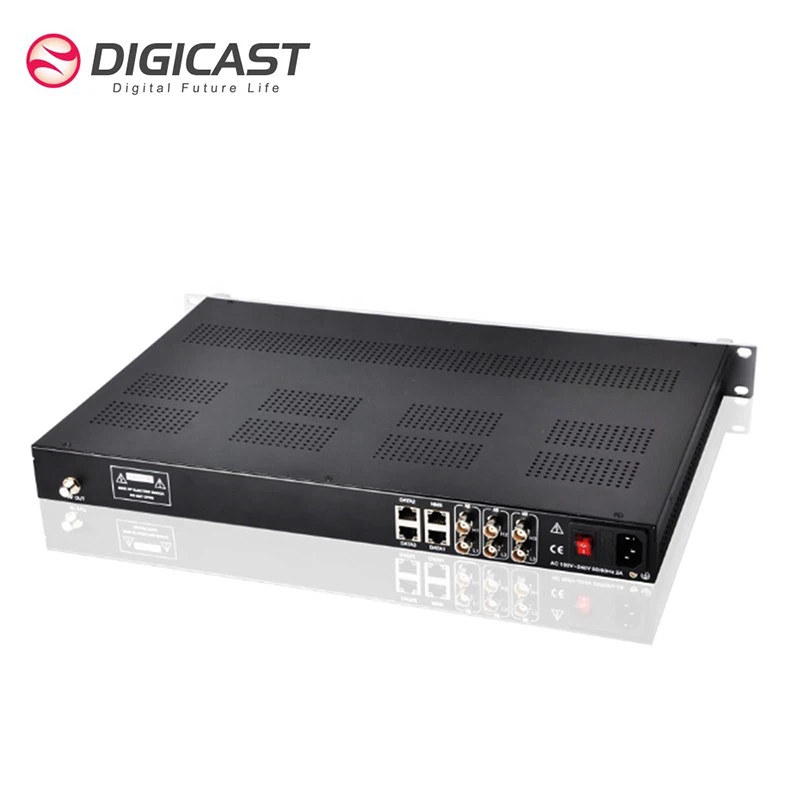
Technical Feasibility of Using an ISDB - T Modulator for Mobile TV Transmission
An ISDB - T Modulator plays a crucial role in the digital TV broadcasting process. It takes digital video and audio signals, encodes them according to the ISDB - T standard, and modulates them onto a carrier frequency for transmission. From a technical perspective, an ISDB - T Modulator can indeed be used for mobile TV transmission for several reasons.
Adaptability to Mobile Environments
ISDB - T uses a technology called hierarchical modulation, which allows for different levels of signal robustness. This means that the modulator can be configured to transmit signals that are more resistant to interference, which is particularly important in mobile environments where the receiving device may be moving, and the signal quality can be affected by obstacles such as buildings and trees.
Support for Multiple Services
The ISDB - T standard supports the transmission of multiple TV channels and data services within a single frequency band. This is beneficial for mobile TV, as it allows users to access a variety of content on their mobile devices. For example, a mobile TV service can offer news, sports, entertainment, and educational programs all in one package.
Compatibility with Mobile Receivers
Most modern mobile devices are equipped with ISDB - T receivers, either built - in or through external modules. This means that if an ISDB - T Modulator is used to transmit TV signals, these signals can be easily received and decoded by mobile devices, providing a seamless viewing experience.
Advantages of Using an ISDB - T Modulator for Mobile TV Transmission
High - Quality Content Delivery
ISDB - T supports high - definition (HD) and even ultra - high - definition (UHD) content. When used for mobile TV transmission, this allows users to enjoy high - quality video and audio on their mobile devices, comparable to what they would experience on a traditional TV set.
Cost - Effectiveness
Compared to some other mobile TV transmission technologies, using an ISDB - T Modulator can be a cost - effective solution. Since the ISDB - T standard is well - established and widely used, the equipment and infrastructure required for ISDB - T transmission are relatively affordable. This makes it an attractive option for broadcasters and service providers looking to offer mobile TV services at a reasonable cost.
Wide Coverage
Terrestrial broadcasting using ISDB - T can provide wide - area coverage, reaching a large number of users in a given region. This is important for mobile TV, as users expect to be able to access TV content regardless of their location within the coverage area.
Limitations and Challenges
Signal Strength and Coverage in Some Areas
Although ISDB - T can provide wide - area coverage, there may be areas with weak or no signal, especially in remote or mountainous regions. In these areas, mobile TV users may experience poor reception or even complete loss of signal. Additionally, in urban areas with high - rise buildings, signal interference can also be a problem, affecting the quality of the mobile TV viewing experience.

Battery Consumption on Mobile Devices
Receiving and decoding ISDB - T signals on mobile devices can consume a significant amount of battery power. This can be a major drawback for users who rely on their mobile devices for other tasks as well. Service providers need to consider this issue and find ways to optimize the power consumption of mobile TV services.
Competition from Other Technologies
There are other technologies available for mobile TV transmission, such as streaming over cellular networks (e.g., 4G and 5G) and satellite - based mobile TV. These technologies also offer their own advantages, such as greater flexibility and global coverage. As a result, the use of ISDB - T Modulators for mobile TV transmission faces competition from these alternative technologies.

Case Studies
In Japan, where the ISDB - T standard is widely used, mobile TV services have been successful in providing a variety of content to users on their mobile devices. For example, NHK, the national public broadcasting organization in Japan, offers several TV channels through ISDB - T mobile TV services. These services have been well - received by the public, with many users enjoying the convenience of watching TV on their smartphones and tablets.
Another case study is in Brazil, where the ISDB - T standard has also been adopted. Brazilian broadcasters have started to offer mobile TV services using ISDB - T Modulators, providing local and international content to mobile users. These services have contributed to the growth of the digital TV market in Brazil and have given users more options for accessing TV content on the go.
Conclusion
In conclusion, an ISDB-T Modulator can be effectively used for mobile TV transmission. It offers technical advantages such as adaptability to mobile environments, support for multiple services, and compatibility with mobile receivers. The high - quality content delivery, cost - effectiveness, and wide coverage are also significant benefits. However, there are limitations and challenges, including signal strength issues, battery consumption on mobile devices, and competition from other technologies.
As an ISDB - T Modulator supplier, we are committed to providing high - quality products and solutions to meet the needs of the mobile TV market. Our ISDB - T Modulators are designed with the latest technology to ensure reliable and efficient transmission of TV signals. If you are interested in using our ISDB - T Modulators for your mobile TV transmission project, we welcome you to contact us for further discussion and procurement negotiation.
References
- "Integrated Services Digital Broadcasting (ISDB) Standard," International Telecommunication Union.
- "Mobile TV Technologies and Market Trends," Market Research Report.
- "Case Studies of ISDB - T Mobile TV Services in Japan and Brazil," Industry Analysis Reports.