


As a leading supplier of ISDB modulators, I often encounter inquiries about the input formats supported by these devices. In this blog post, I'll delve into the various input formats that an ISDB modulator can handle, providing a comprehensive overview for those interested in understanding the capabilities of these essential broadcasting tools.
Understanding ISDB Modulators
Before we explore the input formats, let's briefly understand what an ISDB modulator is. The Integrated Services Digital Broadcasting (ISDB) is a digital broadcasting standard used primarily in Japan, Brazil, and some other countries. An ISDB modulator is a device that takes an input signal, processes it, and modulates it according to the ISDB standard for transmission over the air, cable, or satellite.
Common Input Formats
1. IP (Internet Protocol) Input
One of the most popular input formats for modern ISDB modulators is IP. IP input allows for the transmission of digital content over a network, providing flexibility and ease of integration with other network - based devices. Our Ip ISDB - T Modulator is designed to handle IP - based input signals.
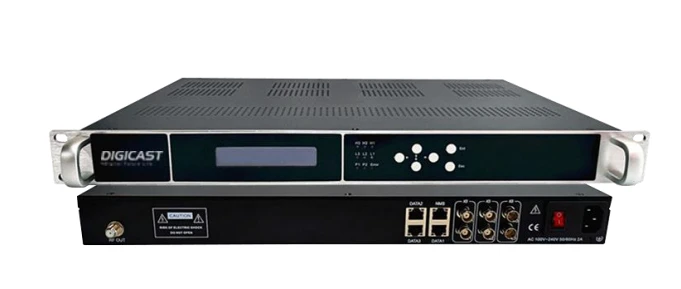
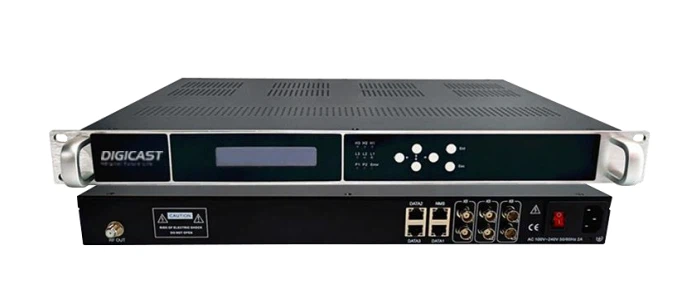
IP input can carry a variety of content, including video, audio, and data streams. It uses standard IP protocols such as UDP (User Datagram Protocol) and RTP (Real - Time Transport Protocol). UDP is often used for its low - latency characteristics, which are crucial for real - time video and audio transmission. RTP, on the other hand, is specifically designed for real - time multimedia data delivery and provides features such as timestamping and sequence numbering to ensure proper playback.
2. RTMP (Real - Time Messaging Protocol) Input
RTMP is another important input format supported by some ISDB modulators. RTMP is commonly used for streaming live video and audio over the Internet. Our RTMP To ISDB - T Modulator is capable of taking RTMP input and converting it into an ISDB - compliant signal.
RTMP input is particularly useful for broadcasters who want to stream content from online sources, such as live events or web - based video feeds. It allows for seamless integration with popular streaming platforms and content management systems. The modulator can extract the video and audio data from the RTMP stream, process it, and then modulate it for ISDB transmission.
3. SDI (Serial Digital Interface) Input
SDI is a professional video interface that is widely used in the broadcasting industry. It provides a high - quality, uncompressed digital video signal. Many ISDB modulators support SDI input, which is ideal for broadcasters who have access to high - definition video sources.
SDI input can be either standard - definition (SD - SDI) or high - definition (HD - SDI). The modulator can handle the SDI signal, convert it into a digital format suitable for ISDB modulation, and then transmit it over the appropriate medium. This is particularly useful for local TV stations or production facilities that produce high - quality video content in - house.
4. ASI (Asynchronous Serial Interface) Input
ASI is a digital interface commonly used in the broadcasting industry for the transmission of MPEG - 2 transport streams. An ISDB modulator with ASI input can receive MPEG - 2 transport streams directly from sources such as encoders or multiplexers.
The ASI input allows for the efficient transfer of multiple video, audio, and data channels in a single stream. The modulator can then process the ASI - received transport stream and modulate it according to the ISDB standard. This is a popular choice for broadcasters who already have existing MPEG - 2 - based infrastructure.
Other Considerations
Compatibility and Flexibility
When choosing an ISDB modulator, it's important to consider its compatibility with different input formats. A good modulator should be able to handle multiple input formats simultaneously or switch between them easily. This provides broadcasters with the flexibility to use different sources depending on their needs.
For example, if a broadcaster wants to switch between an IP - based live stream and an SDI - sourced local program, the modulator should be able to handle both inputs without any issues. Our modulators are designed with this flexibility in mind, allowing for seamless integration of various input sources.
Signal Quality and Processing Capabilities
The quality of the input signal and the modulator's processing capabilities also play a crucial role. A high - quality modulator should be able to handle input signals with different bitrates, resolutions, and codecs. It should be able to perform error correction, filtering, and other signal processing tasks to ensure a clean and reliable output.
For instance, when dealing with an IP input, the modulator should be able to handle packet loss and jitter, which are common issues in network - based transmission. Our modulators are equipped with advanced signal processing algorithms to ensure the best possible output quality.
Why Choose Our ISDB Modulators
As a supplier of ISDB modulators, we offer a range of products that support multiple input formats. Our Ip ISDB - T Modulator, RTMP To ISDB - T Modulator, and Ip ISDB - T Converter are designed to meet the diverse needs of broadcasters.
We understand the importance of providing reliable and high - performance modulators. Our products are built with the latest technology and undergo rigorous testing to ensure they meet the highest standards. Whether you are a small - scale local broadcaster or a large - scale national network, our modulators can provide the solution you need.
Contact Us for Purchase and Consultation
If you are interested in purchasing an ISDB modulator or have any questions about the input formats and our products, we encourage you to contact us. Our team of experts is ready to assist you in choosing the right modulator for your specific requirements. We can provide detailed information, technical support, and pricing options to help you make an informed decision.
References
- "Digital Broadcasting Handbook" by John L. Watkinson
- "Introduction to ISDB Standards" published by the International Telecommunication Union (ITU)
- Technical documentation of our ISDB modulator products