


Hey there! As a supplier of analog modulators, I've been getting a bunch of questions lately about the regulatory requirements for these nifty devices. So, I thought I'd take a deep - dive into this topic and share what I know.
First off, let's quickly understand what an analog modulator is. In simple terms, an analog modulator is a device that changes one or more properties of a carrier signal in accordance with an information - bearing signal. They're used in a wide range of applications, from radio and TV broadcasting to communication systems.
FCC Regulations in the United States
In the United States, the Federal Communications Commission (FCC) is the big dog when it comes to regulating analog modulators. The FCC has set up a bunch of rules to ensure that these devices operate within specific frequency bands and power levels. This is super important because it helps prevent interference with other communication systems.
For example, if you're using an analog modulator for radio broadcasting, it has to comply with the FCC's rules regarding the frequency allocation for different radio services. There are specific bands for AM and FM radio, and your modulator has to be tuned to operate within those bands. If it doesn't, you could end up causing interference to other radio stations, which is a big no - no.
Another key aspect is the power output. The FCC limits the amount of power that an analog modulator can emit. This is to make sure that the signal doesn't travel too far and cause interference over a large area. If you're planning to use a high - power analog modulator, you'll need to get special authorization from the FCC.
ETSI Regulations in Europe
Over in Europe, the European Telecommunications Standards Institute (ETSI) is responsible for regulating analog modulators. ETSI has its own set of standards and requirements that are quite similar to the FCC's in some ways.
One of the main focuses of ETSI regulations is on electromagnetic compatibility (EMC). This means that analog modulators need to be designed in such a way that they don't generate excessive electromagnetic interference (EMI). EMI can disrupt the operation of other electronic devices, so it's crucial to keep it under control.
ETSI also has rules regarding the frequency stability of analog modulators. A stable frequency is essential for proper communication. If the frequency of the modulator drifts too much, it can lead to poor signal quality and communication issues.
Other International Regulations
Beyond the US and Europe, different countries have their own regulatory bodies and requirements. For instance, in Asia, countries like Japan and South Korea have their own sets of rules for analog modulators. These rules often align with international standards but may have some local variations.
In some developing countries, the regulatory environment might be a bit less strict, but it's still important to comply with the basic requirements. As the use of analog modulators grows globally, more and more countries are tightening their regulations to ensure proper communication and avoid interference.
Our Analog Modulator Offerings
At our company, we offer a variety of analog modulators that are designed to meet these regulatory requirements. We've got the IP To Analog Modulator, which is great for converting IP signals to analog. This modulator is built with the latest technology to ensure compliance with FCC and ETSI regulations.
Our IP To Analog NTSC PAL Modulator is another popular choice. It's specifically designed for NTSC and PAL video standards, which are widely used around the world. We've made sure that it meets all the necessary regulatory requirements for video broadcasting.
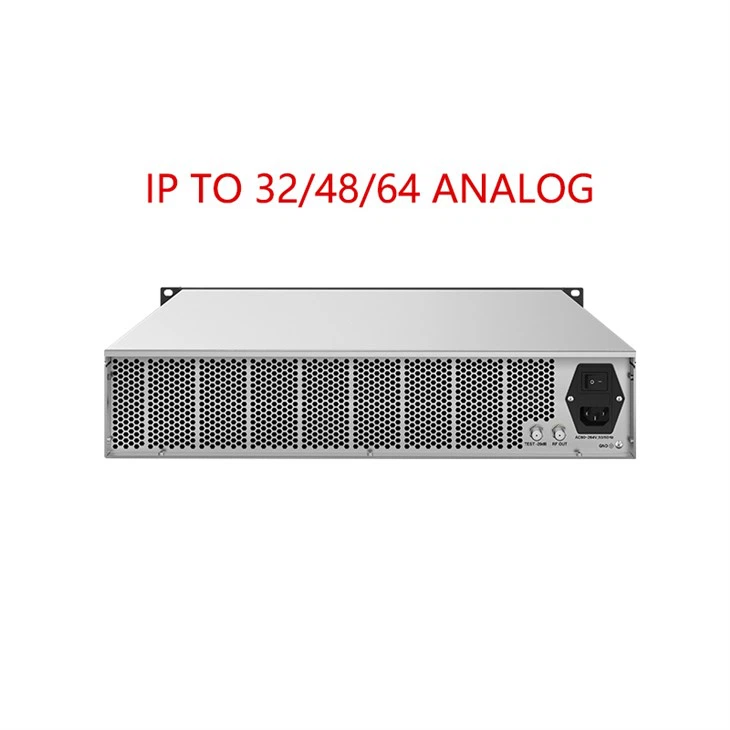

And then there's our Agile Modulator. This modulator is highly flexible and can be configured for different applications. It's been tested thoroughly to ensure that it operates within the legal frequency bands and power limits.
Why Compliance Matters
Complying with regulatory requirements isn't just about following the law. It's also about ensuring the quality of your communication. A non - compliant analog modulator can cause all sorts of problems, from poor signal quality to interference with other systems.
For businesses, non - compliance can lead to hefty fines and legal issues. It can also damage your reputation in the market. Customers want to work with suppliers who provide reliable and compliant products.
How We Ensure Compliance
We take compliance very seriously at our company. Our R & D team stays up - to - date with the latest regulatory changes around the world. We conduct regular tests on our analog modulators to make sure they meet all the requirements.
We also work closely with regulatory bodies to get feedback and ensure that our products are in line with the latest standards. This way, you can be confident that when you buy an analog modulator from us, it's going to work properly and legally.
Conclusion
So, there you have it - a rundown of the regulatory requirements for analog modulators. Whether you're in the US, Europe, or anywhere else in the world, it's crucial to make sure that your analog modulator complies with the local regulations.
If you're in the market for an analog modulator, we'd love to have a chat with you. Our team of experts can help you choose the right modulator for your needs and ensure that it meets all the necessary regulatory requirements. Don't hesitate to reach out and start a conversation about your procurement needs.
References
- Federal Communications Commission (FCC) official documents
- European Telecommunications Standards Institute (ETSI) standards
- Industry reports on analog modulator regulations