


As an RF modulator supplier, I often get asked about the frequencies these devices support. It's a crucial question, especially for those looking to set up a reliable and efficient audio - visual or communication system. In this blog, I'll break down the frequency ranges that RF modulators typically handle and how this knowledge can help you make the right choice for your needs.
Understanding RF Modulators Basics
Before diving into the frequencies, let's quickly go over what an RF modulator does. An RF modulator takes an audio and video signal (like from a VCR, DVD player, or a game console) and converts it into a radio - frequency (RF) signal. This RF signal can then be transmitted over a coaxial cable and picked up by a TV or a radio receiver.
Common Frequency Ranges
The frequency support of an RF modulator can vary widely depending on its type and intended use.

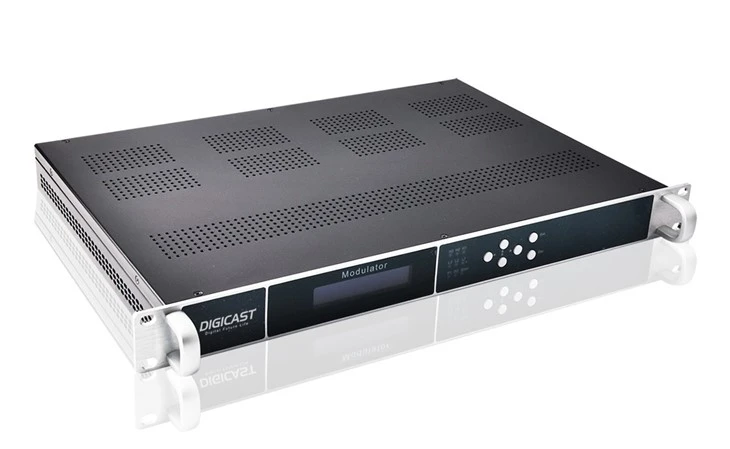
VHF Frequencies
One of the most common frequency bands that RF modulators support is the Very High Frequency (VHF) band. VHF frequencies range from 30 MHz to 300 MHz. In the context of TV broadcasting, the VHF band is divided into two sub - bands: low VHF (channels 2 - 6, approximately 54 - 88 MHz) and high VHF (channels 7 - 13, around 174 - 216 MHz).
Many older RF modulators are designed to output signals in the VHF range. This is because older TVs were primarily tuned to receive VHF signals. For example, if you have an old VCR and want to connect it to an old - style TV, a VHF - capable RF modulator will do the job. It will convert the VCR's audio and video signals into a VHF signal that the TV can pick up on a specific channel.
UHF Frequencies
Ultra High Frequency (UHF) is another important frequency band for RF modulators. UHF frequencies range from 300 MHz to 3 GHz. In TV broadcasting, UHF channels start from channel 14 and go up to channel 83, with frequencies typically between 470 MHz and 890 MHz.
Modern RF modulators often support UHF frequencies. This is because newer TVs are better equipped to receive UHF signals, and UHF offers several advantages over VHF. UHF signals can carry more data, which means better picture and sound quality. They also tend to have less interference, especially in urban areas where there are many electronic devices.
If you're setting up a home entertainment system with newer components, a UHF - capable RF modulator is likely a better choice. It will ensure that you get the best possible quality when transmitting audio and video signals to your TV.
Other Frequency Bands
Some RF modulators are designed to support other frequency bands as well. For example, there are RF modulators that can work in the FM radio frequency range (88 - 108 MHz). These are useful if you want to transmit audio signals to an FM radio receiver. You could use such a modulator to play music from your phone or a media player on your car radio or a home FM radio.
There are also RF modulators that support frequencies used in wireless communication systems, such as those in the 2.4 GHz or 5 GHz bands. These are commonly used in Wi - Fi and Bluetooth devices. However, these types of RF modulators are more specialized and are typically used in specific applications, like wireless audio or video transmission over short distances.
Types of RF Modulators and Their Frequency Support
Let's take a look at different types of RF modulators and how their frequency support varies.
Digital Tv Modulator
Digital TV modulators are designed to convert digital audio and video signals into RF signals for transmission. These modulators usually support both VHF and UHF frequencies. They are often used in professional broadcasting setups, cable TV systems, and digital signage applications.
A digital TV modulator can handle high - definition (HD) and even ultra - high - definition (UHD) signals. It needs to support a wide range of frequencies to ensure compatibility with different TV sets and broadcasting standards around the world.
DVB Modulator
DVB (Digital Video Broadcasting) modulators are a type of digital modulator that follow the DVB standards. These standards are widely used in Europe, Asia, and Africa for digital TV broadcasting. DVB modulators typically support UHF frequencies, as most DVB - based TV broadcasts are transmitted in the UHF band.
They are very precise in terms of frequency modulation and signal encoding, ensuring high - quality digital transmission. If you're in an area that uses DVB standards for TV broadcasting, a DVB modulator is a great choice for your digital audio and video transmission needs.
RF Video Modulator
RF video modulators are more general - purpose devices. They can be used to convert analog or digital video signals into RF signals. These modulators can support a variety of frequencies, including VHF and UHF.
They are commonly used in home setups, like connecting a DVD player or a game console to a TV. An RF video modulator gives you the flexibility to choose the output frequency based on your TV's tuning capabilities.
Factors Affecting Frequency Support
Several factors can affect the frequency support of an RF modulator.
Design and Purpose
The design and intended purpose of the RF modulator play a big role. A modulator designed for a specific application, like a professional broadcasting setup, will have different frequency requirements compared to a modulator for home use. Professional modulators may need to support a wider range of frequencies and have more precise frequency control.
Compatibility
Compatibility with other devices in the system is also important. If you're using an RF modulator to connect to an old TV, it needs to support the frequencies that the TV can receive. On the other hand, if you're using it in a modern home entertainment system with a smart TV, it should be able to output signals in the frequencies that the TV prefers.
Regulatory Requirements
Regulatory requirements in different regions can also affect frequency support. Different countries have different rules regarding the use of radio frequencies for broadcasting and other purposes. An RF modulator needs to comply with these regulations to be legally used in a particular area.
Choosing the Right RF Modulator Based on Frequency
When choosing an RF modulator, it's essential to consider the frequency requirements of your system.
If you have an old TV that only receives VHF signals, a VHF - only RF modulator will be sufficient. However, if you have a newer TV that can receive both VHF and UHF signals, a modulator that supports both frequency bands will give you more flexibility.
If you're planning to use the RF modulator for digital audio and video transmission, especially in a professional or commercial setting, a digital TV modulator or a DVB modulator that supports the appropriate frequencies and digital standards is a must.
Conclusion
In conclusion, the frequency support of an RF modulator is a key factor to consider when setting up an audio - visual or communication system. RF modulators can support a wide range of frequencies, including VHF, UHF, FM, and even frequencies used in wireless communication.
As a supplier of RF modulators, I can offer a variety of products with different frequency capabilities to meet your specific needs. Whether you're looking for a simple RF video modulator for home use or a professional - grade digital TV modulator, we've got you covered.
If you're interested in purchasing an RF modulator or have any questions about frequency support and which product is right for you, don't hesitate to get in touch. We're here to help you make the best choice for your system.
References
- "Television Technology Handbook" by F. William Sarles
- "RF Circuit Design" by Chris Bowick